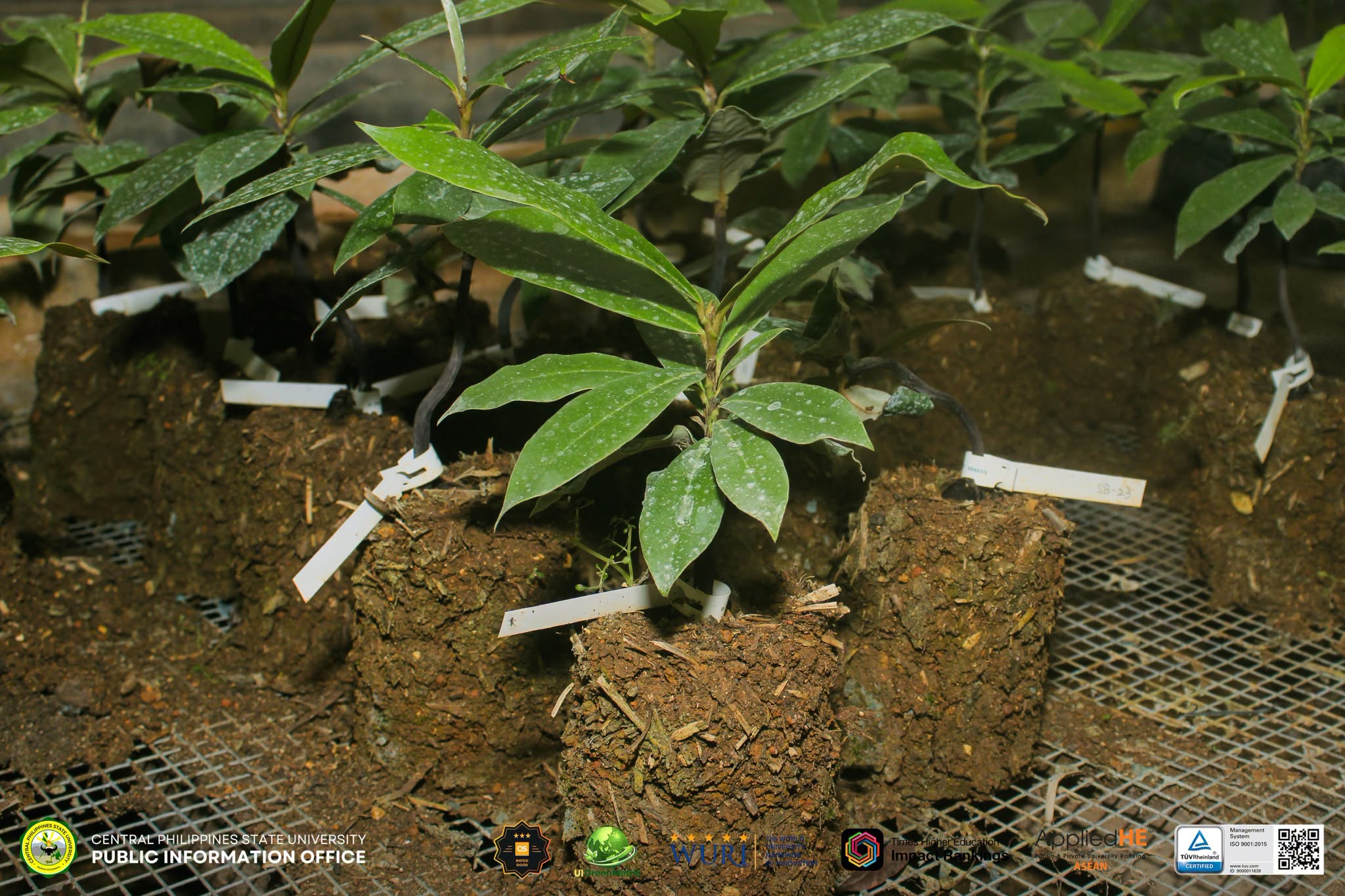
𝗣𝗶𝗼𝗻𝗲𝗲𝗿𝗶𝗻𝗴 𝗣𝗹𝗮𝘀𝘁𝗶𝗰-𝗙𝗿𝗲𝗲 𝗡𝘂𝗿𝘀𝗲𝗿𝗶𝗲𝘀”: 𝗝𝗜𝗥𝗖𝗔𝗦, 𝗖𝗣𝗦𝗨 𝗱𝗲𝘃𝗲𝗹𝗼𝗽 𝗯𝗮𝗴𝗮𝘀𝘀𝗲-𝗯𝗮𝘀𝗲𝗱 𝘀𝗼𝗶𝗹 𝗯𝗿𝗶𝗾𝘂𝗲𝘁𝘁𝗲𝘀
Oct 12, 2026 | News
For the past six years, an ongoing agricultural research project between Japanese researchers and the Sugar Regulatory Administration (SRA) has been developing a new sustainable nursery technology.
The initial trials of this technology began in Japan during the COVID-19 pandemic, prior to its introduction at Central Philippines State University (CPSU) in November 2022.
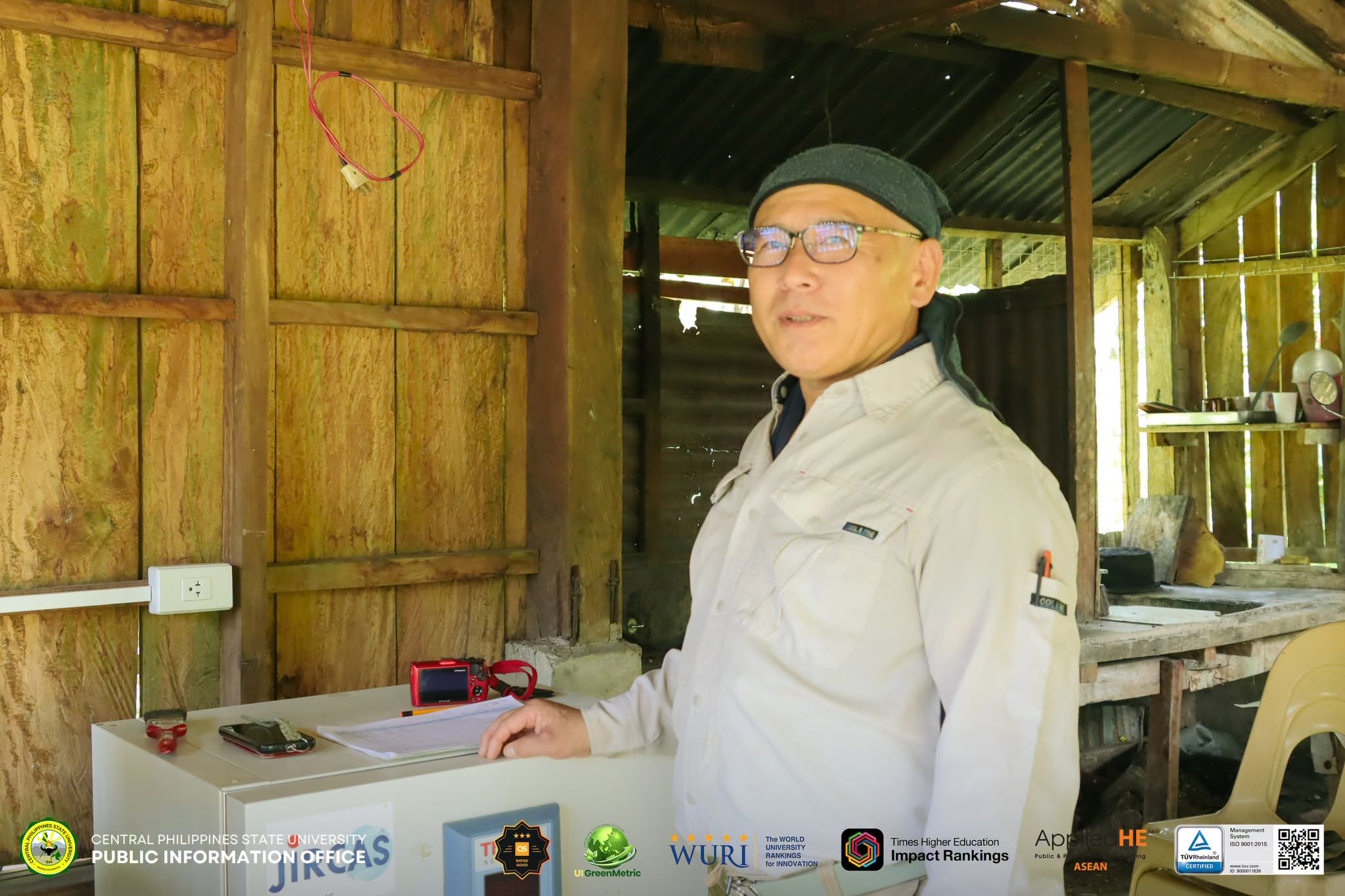
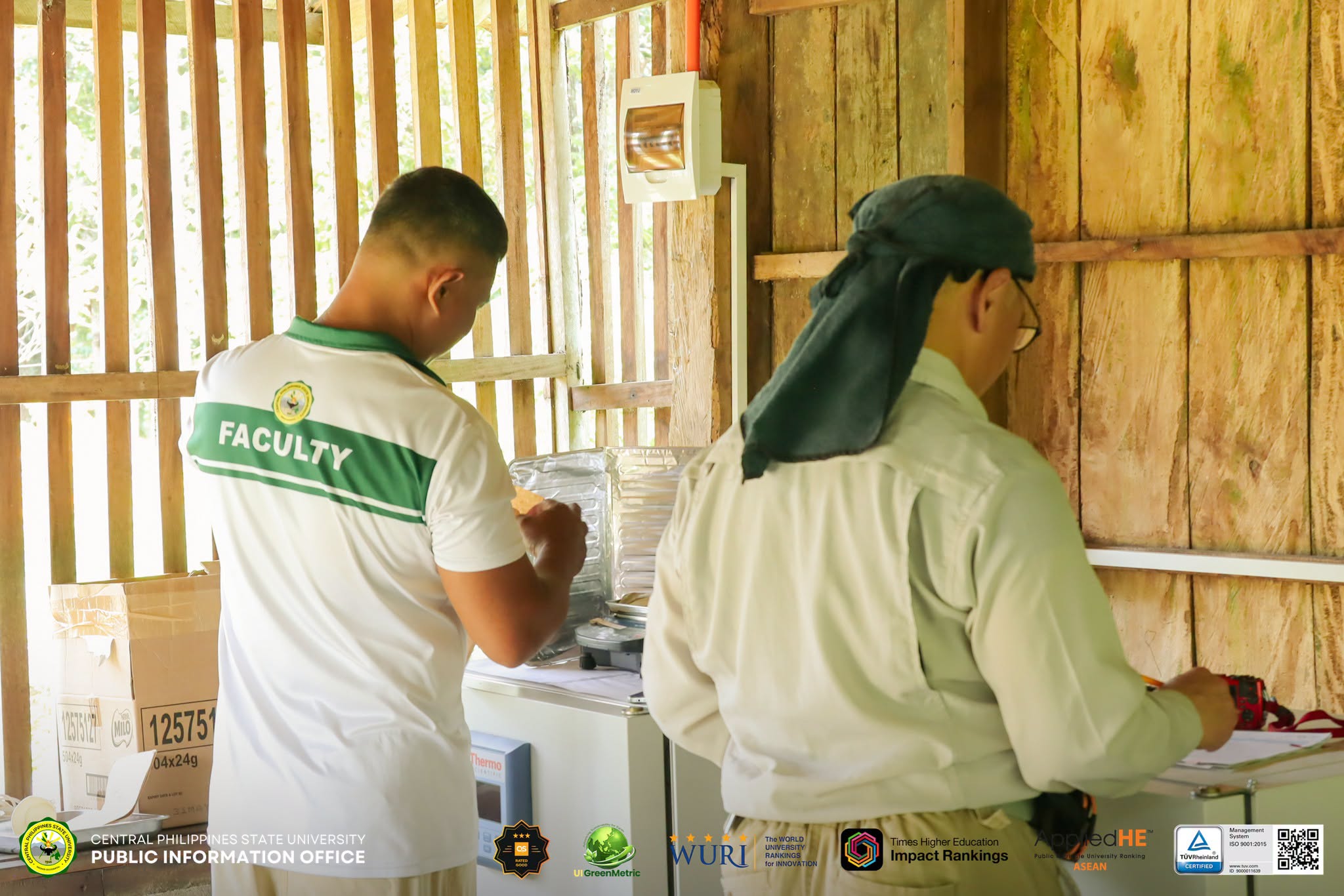
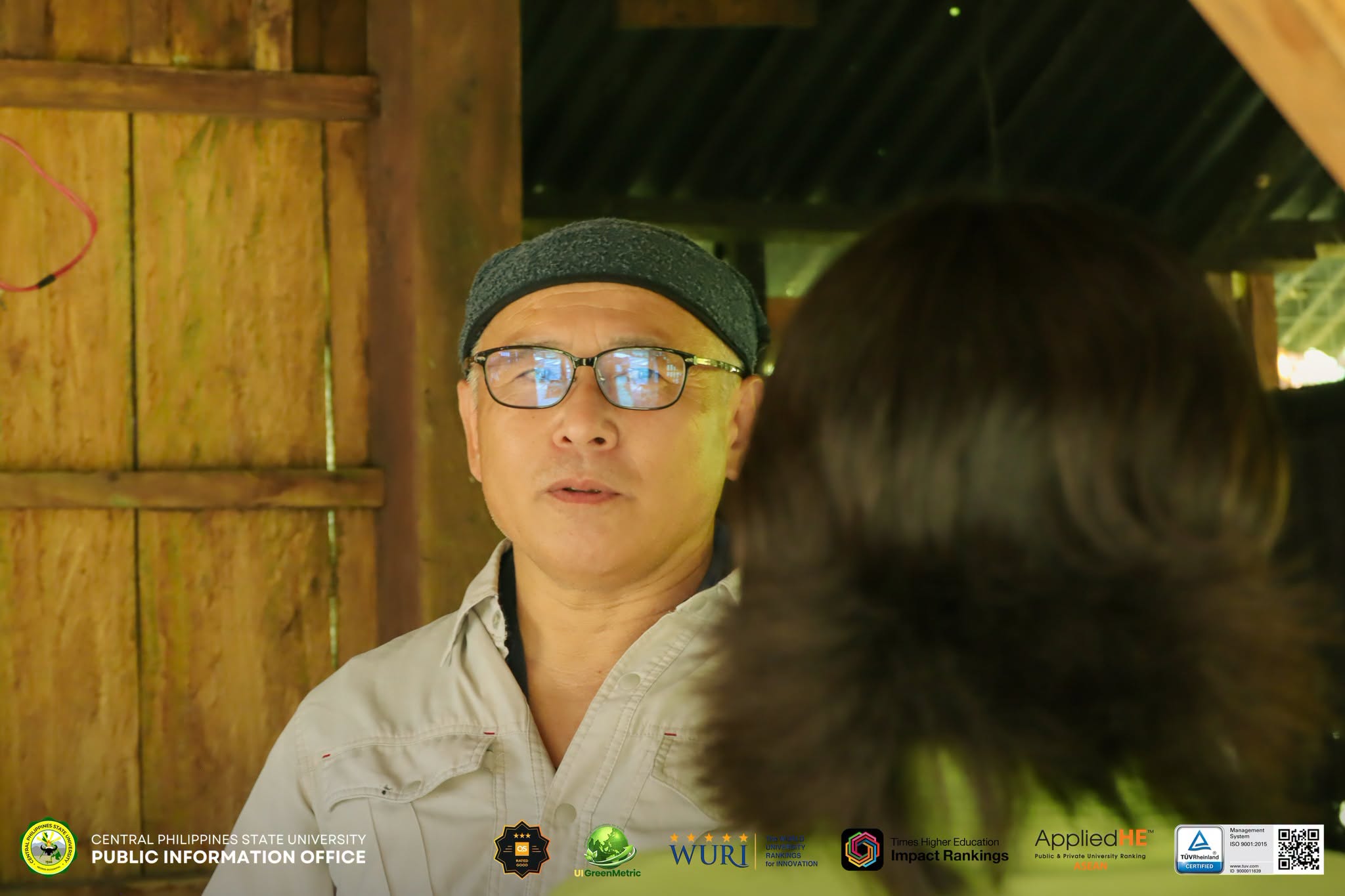
Conducted at CPSU by Mr. Koichi Takenaka from the Japan International Research Center for Agricultural Sciences (JIRCAS), in collaboration with the Forestry Department of the College of Agriculture and Forestry, the research aims to introduce organic, plastic-free alternatives for local tree seedling production.
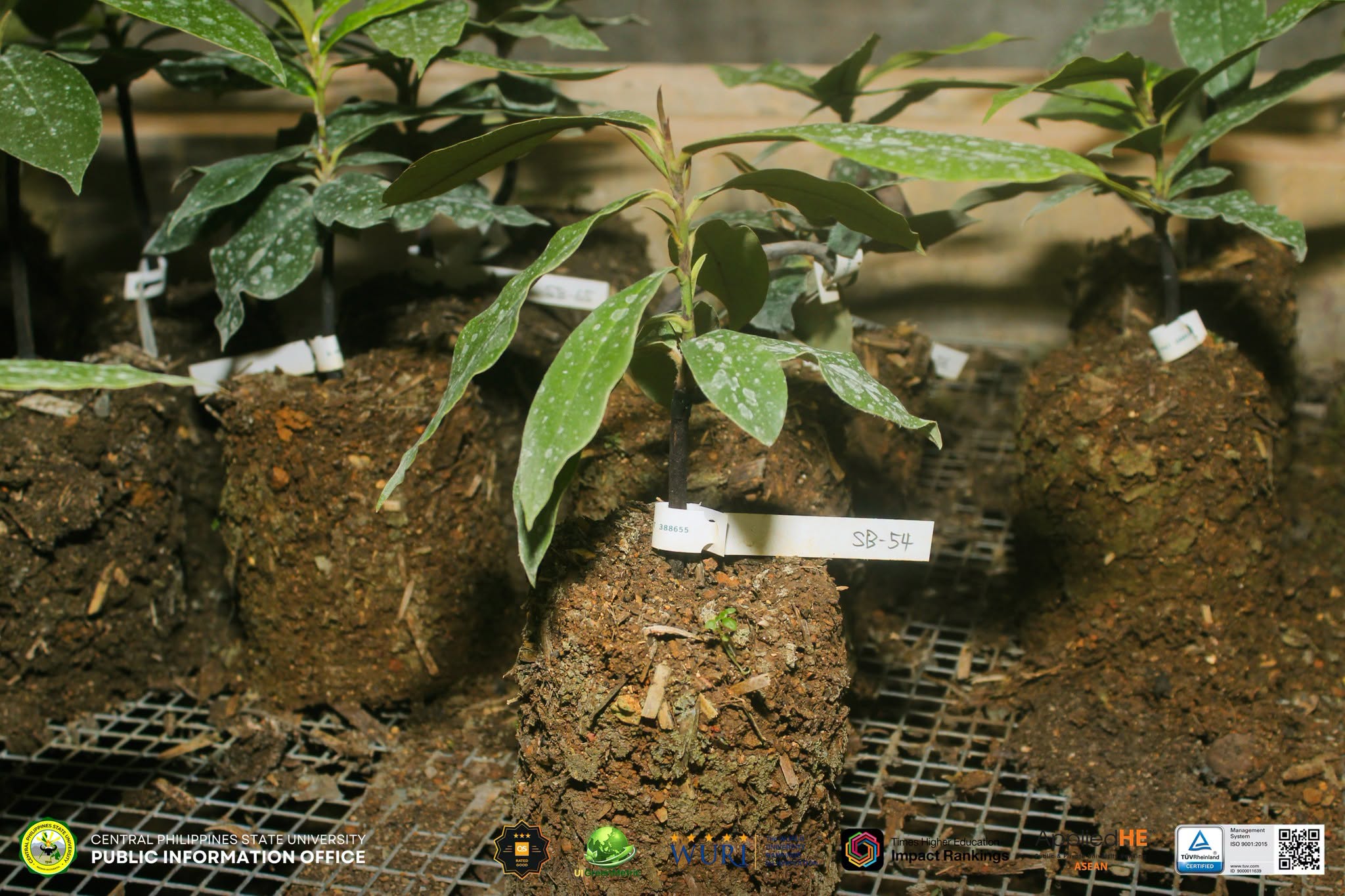
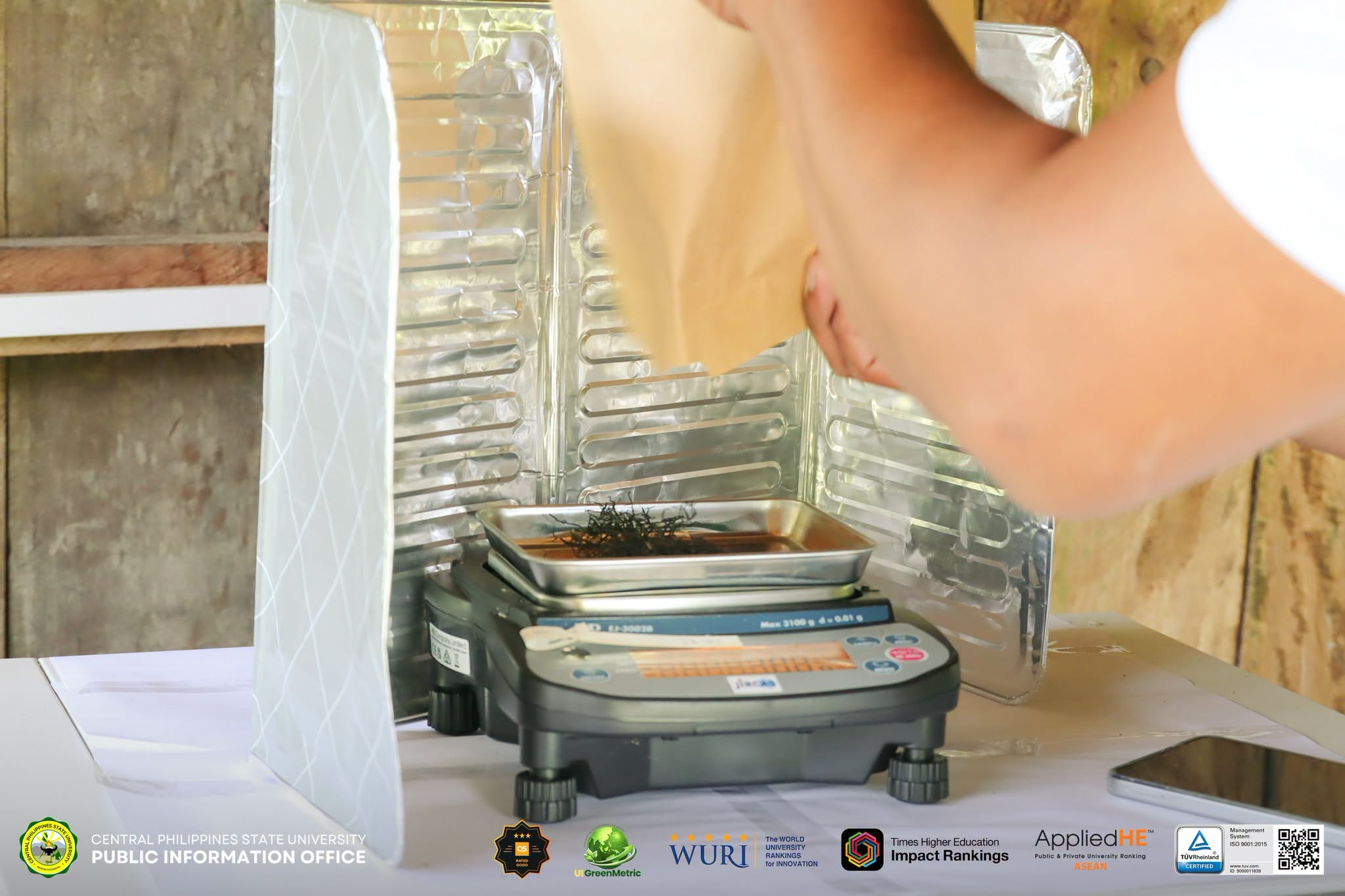
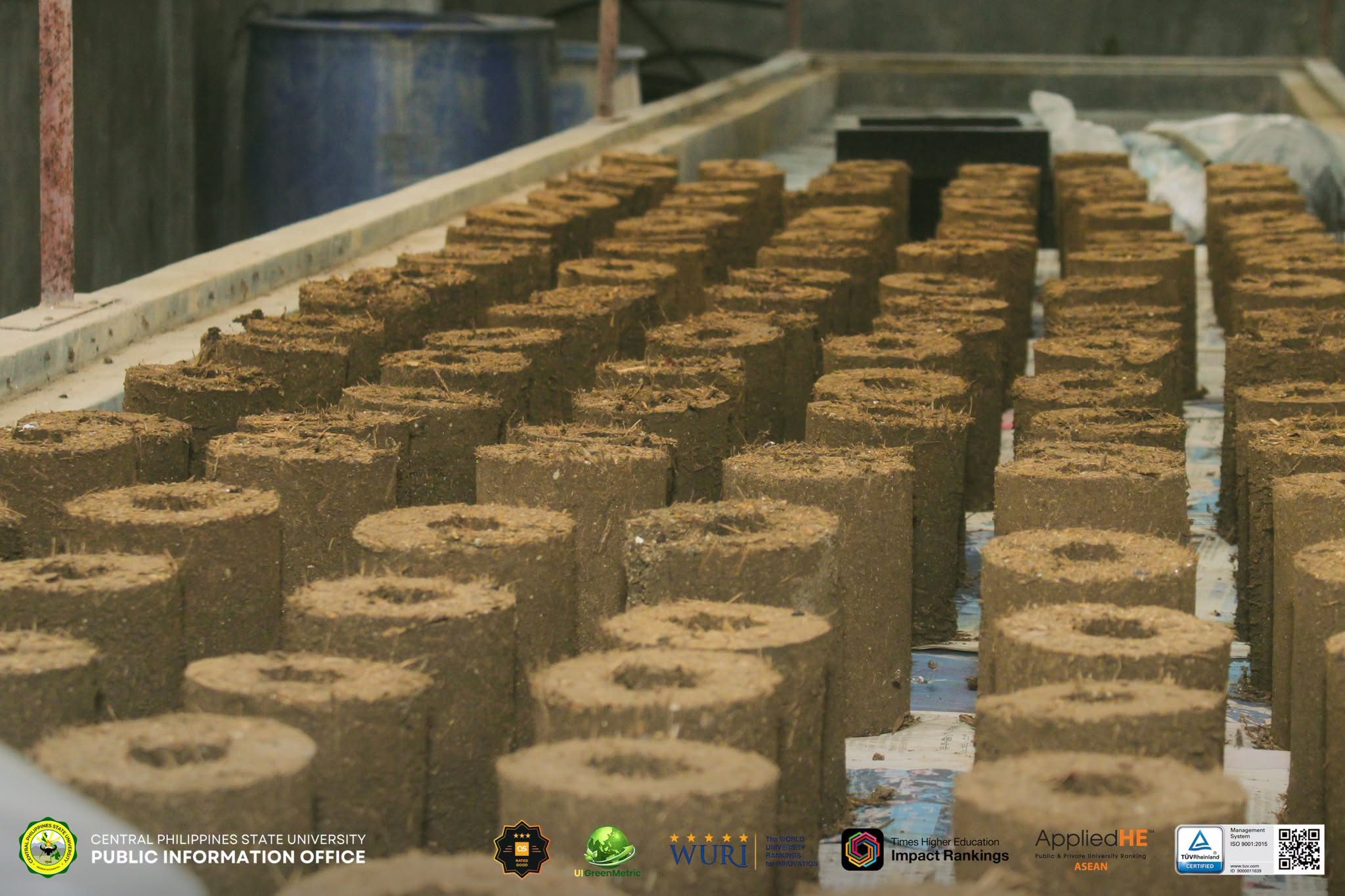
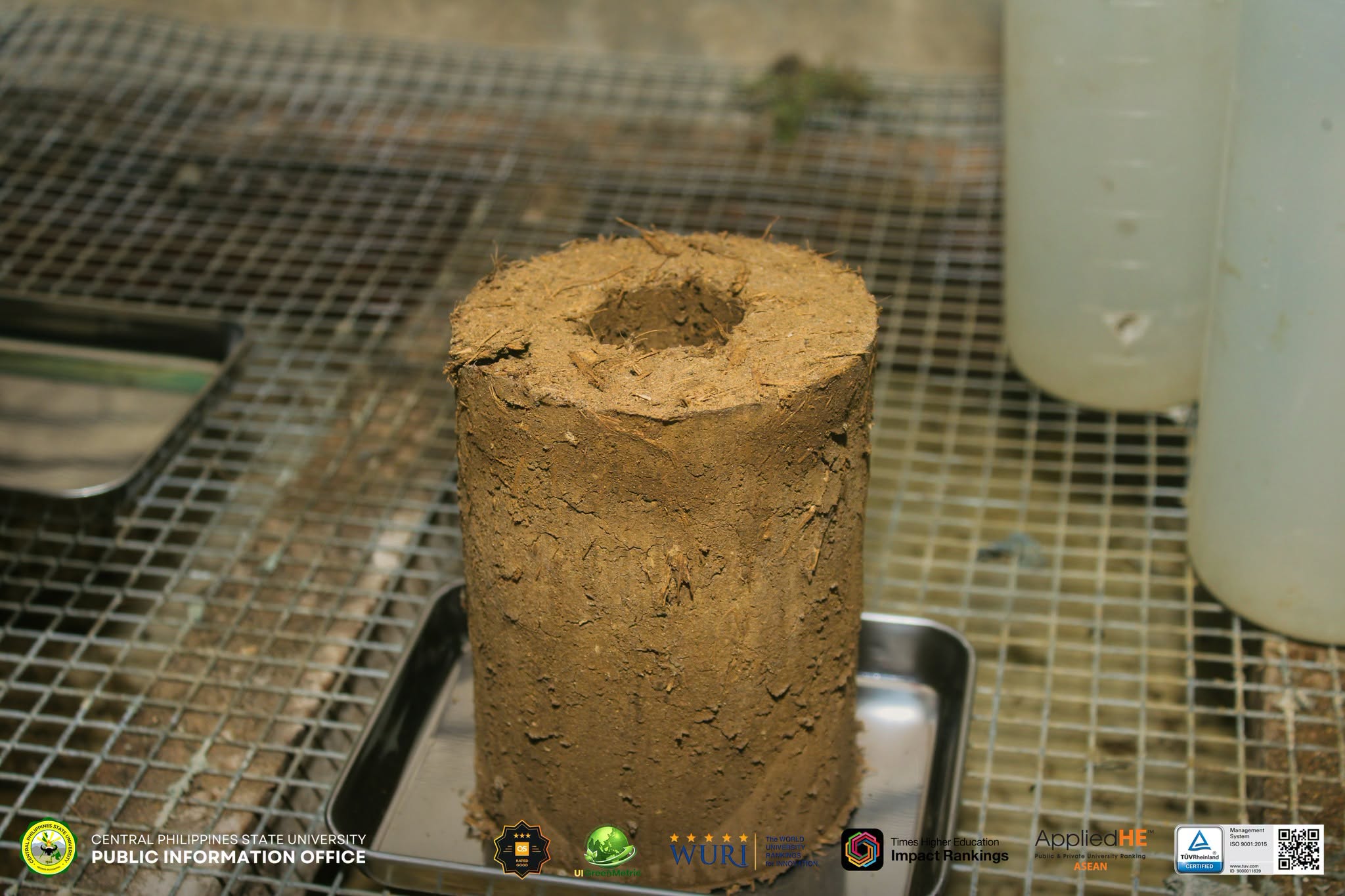
Mr. Takenaka and the research team, led by project head Dr. Toshihiko Anzai, are utilizing sugarcane bagasse—an abundant agricultural residue—to create organic "soil briquettes.”
The research compares the soil briquettes with vinyl bags conventionally used at CPSU and long plastic pots also used in Japan, examining tree seedling growth dynamics and evaluating the relative advantages of each nursery material and production method.
To prevent the briquettes from breaking downapart, the research team has conducted comparative observations of appropriate combinations and mixing ratios of organic materials, including sugarcane bagasse, rice husks, and rice straw, and soil materials, including clayey and alluvial soils.
The team has also compared binders such as polyvinyl alcohol (PVA), gelatin, or and cassava starch are then added to maintain their structure of the briquettes, while considering the use of locally available materials.
A major goal of the research is to examine the plant's root system, which Mr. Takenaka notes is a crucial but often ignored "hidden part" of seedling health.
-By comparing root system development in the soil briquettes with that traditional plastic containers, the team hopes to provide better seedling management recommendations for agriculturists and foresters.
Beyond agricultural innovation, this initiative actively expands CPSU's international academic ties as Aiko Matsuda, a graduate school student researcher at Kyoto University, conducted interview surveys at local sitios within the university land reserve from June to July 2026 and is conducting a second round of surveys in October 2026 as part of for her thesis research.
Coordinated by Mr. Takenaka, the collaboration is set to grow further with the upcoming arrival of two visiting researchers from Tottori University in Japan, who will be surveying the local land, forests, and communities to establish a formal joint research agreement and partnership between CPSU and Tottori University.
With the active support of the University President, Dr. Mae Flor G. Posadas, the department led by Professor Mary Ann S. Dagunan, Dr. Dominic L. Billen, and Mr. Gregorio M. Predo works hand in hand in the long-term research engagement.
This steadfast engagement not only aims to promote innovation in reforestation as part of the “Research on Environmental Conservation for Tropical Islands (Ridge-to-Reef Agroecosystem Connectivity): Forest Conservation Research Themes” with JIRCAS, but also testifies to CPSU’s commitment to making a meaningful contribution to the sustainable protection of the environment.
#CPSU #cpsuwhereinnovationsempowerthefuture