𝗛𝗼𝘄 𝗖𝗣𝗦𝗨 𝗠𝗮𝗸𝗲𝘀 𝗙𝗶𝘀𝗵 𝗠𝗼𝗿𝗲 𝗔𝗰𝗰𝗲𝘀𝘀𝗶𝗯𝗹𝗲 𝗳𝗼𝗿 𝗥𝘂𝗿𝗮𝗹 𝗡𝗲𝗴𝗿𝗲𝗻𝘀𝗲 𝗙𝗮𝗿𝗺𝗲𝗿𝘀
Sep 01, 2026 | News
Fish.
A commodity. A day-to-day viand ingredient for many Negrenses. Yet, inland barangays and highland communities find them less accessible and affordable because of logistics. For Barangay Camingawan of Kabankalan City, which is located roughly 30.8 km away from the Suay, Himamaylan City shoreline, and 25 to 30 km away from the Ilog Municipal coastline, fish can be accessed on Tuesdays, the local market day, locally dubbed "Martesan," and/or through the early rounds of a fish seller with a pre-recorded sales talk in the wee hours before daybreak.
At least, such a situation was the norm until Central Philippines State University (CPSU) introduced the “Inland Fisheries Development Project” to the local community.
While CPSU had introduced agroecology and sustainable farming to the area, especially among the farmer associations that it helped organize in accordance with existing state policies and regulations, the university has set its sights on complementing the development in agriculture with the development in aquaculture. This is by taking into account the challenges of the geographical location of the university reserve, where the settlements of its target communities are landlocked.
The Inland Fisheries Development Project advocates for “enhancing farmers’ livelihood through sustainable aquaculture practices and post-harvest innovation," which is also designed in response to United Nations (UN) Sustainable Development Goal (SDG) No. 2, or Zero Hunger, aligned with Target 2.3 which entails “By 2030, double the agricultural productivity and incomes of small-scale food producers, in particular women, indigenous peoples, family farmers, pastoralists and fishers, including through secure and equal access to land, other productive resources and inputs; knowledge, financial services, markets and opportunities for value addition and non-farm employment.”
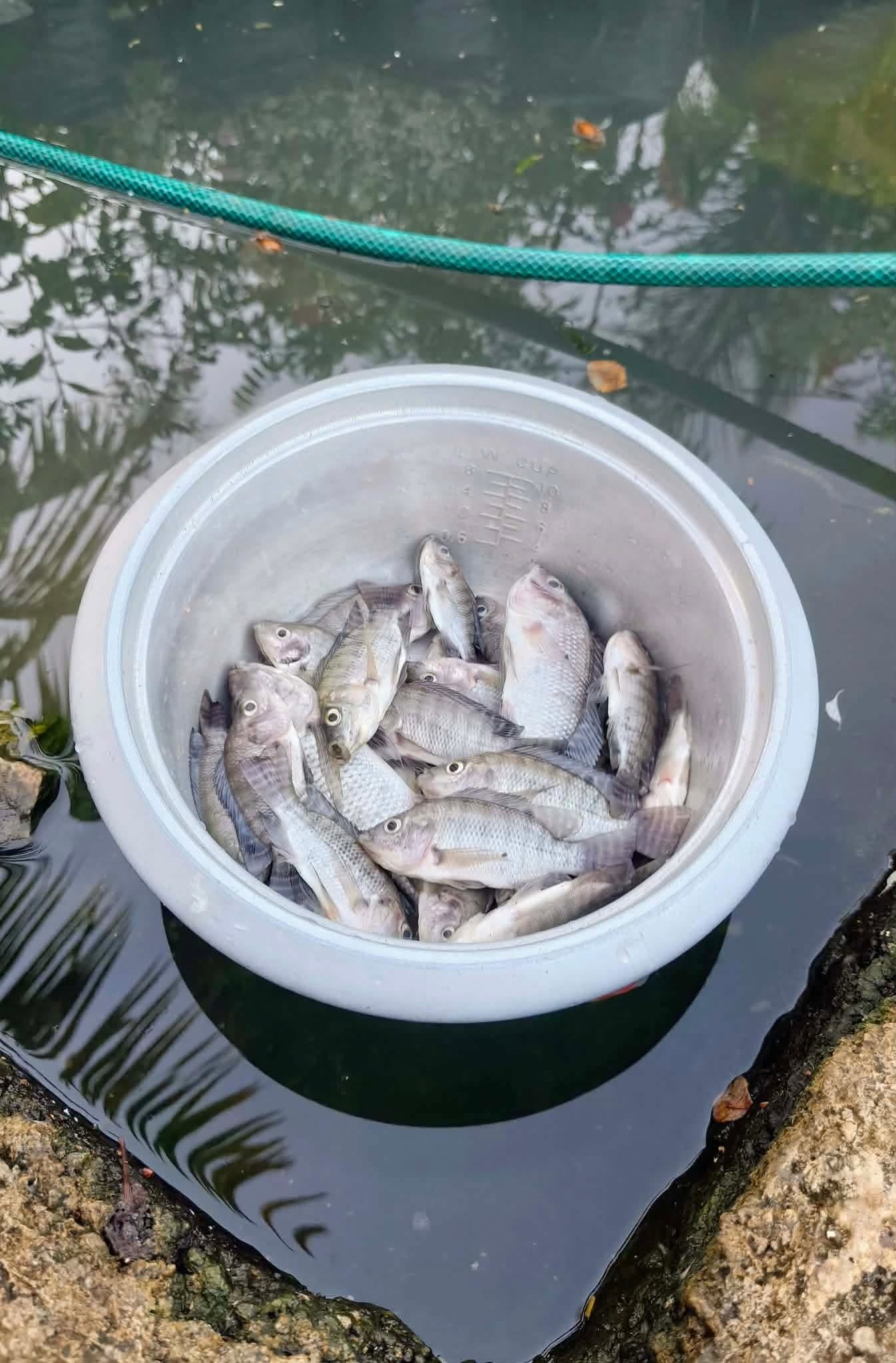
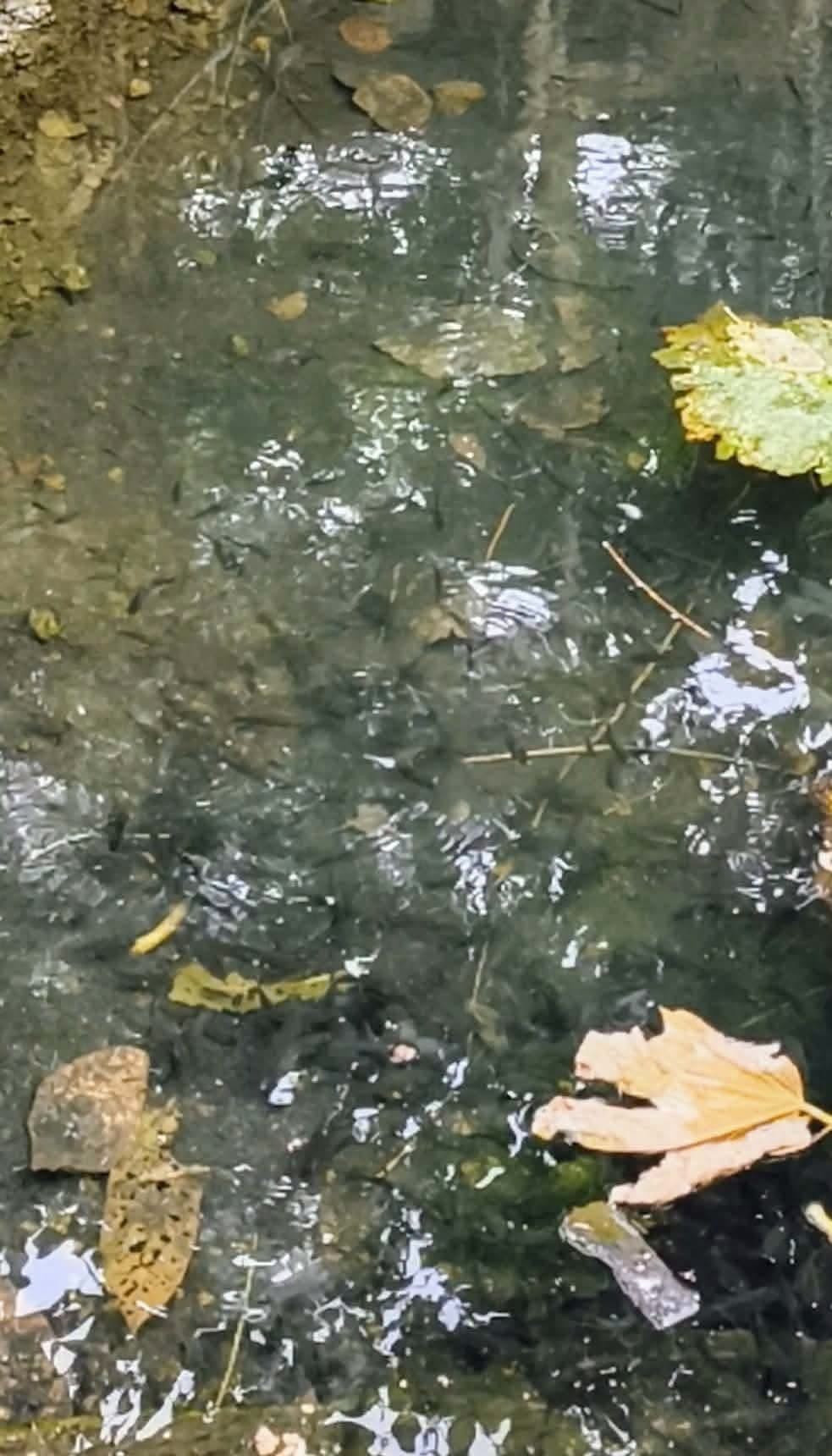
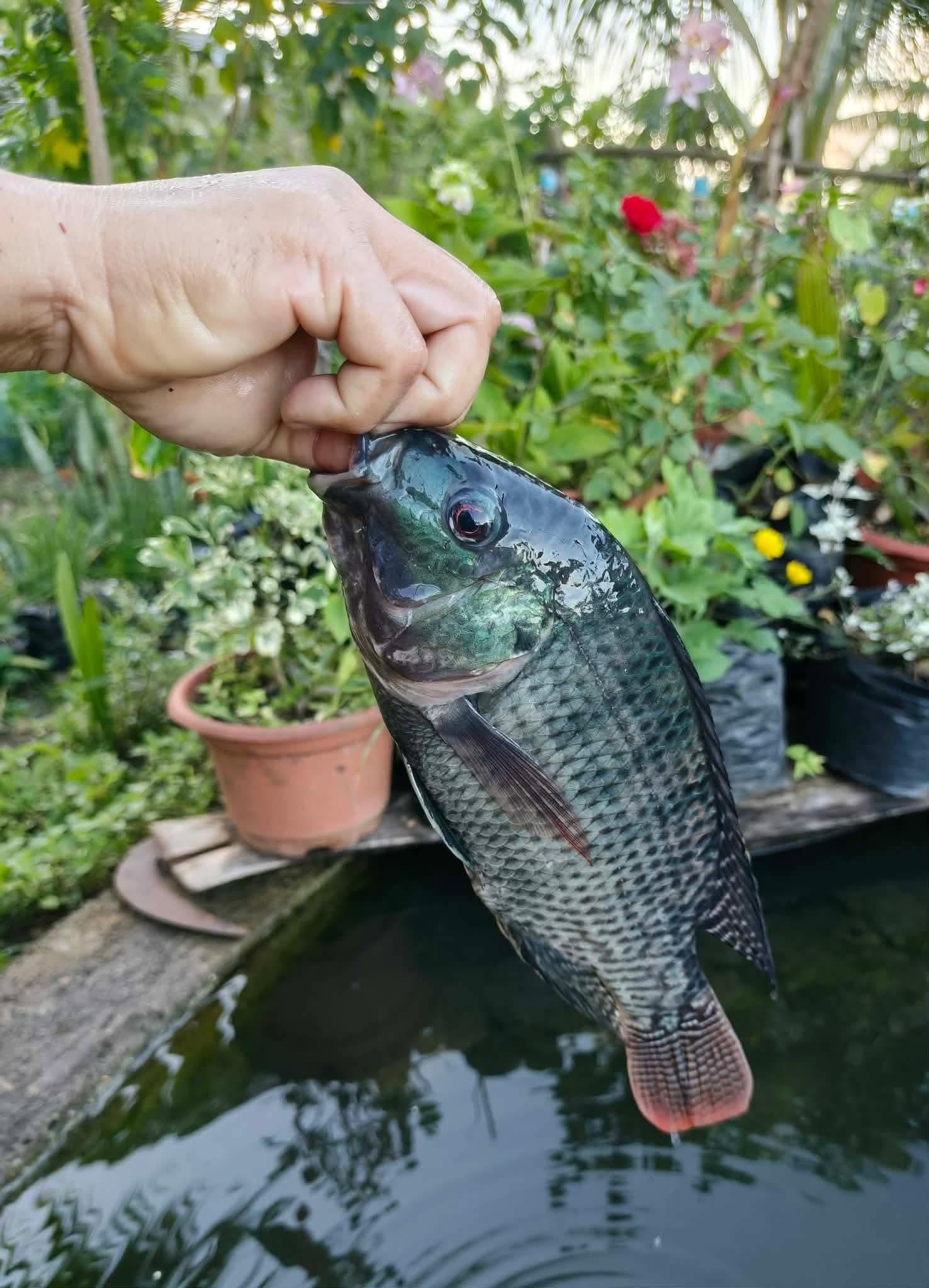
CPSU started with the selection of fish suited to the inland setup and that would thrive in freshwater and so selected Nile Tilapia (Oreochromis niloticus), which was chosen due to its adaptability to shallow water, which best suits the designed small farm-based model.
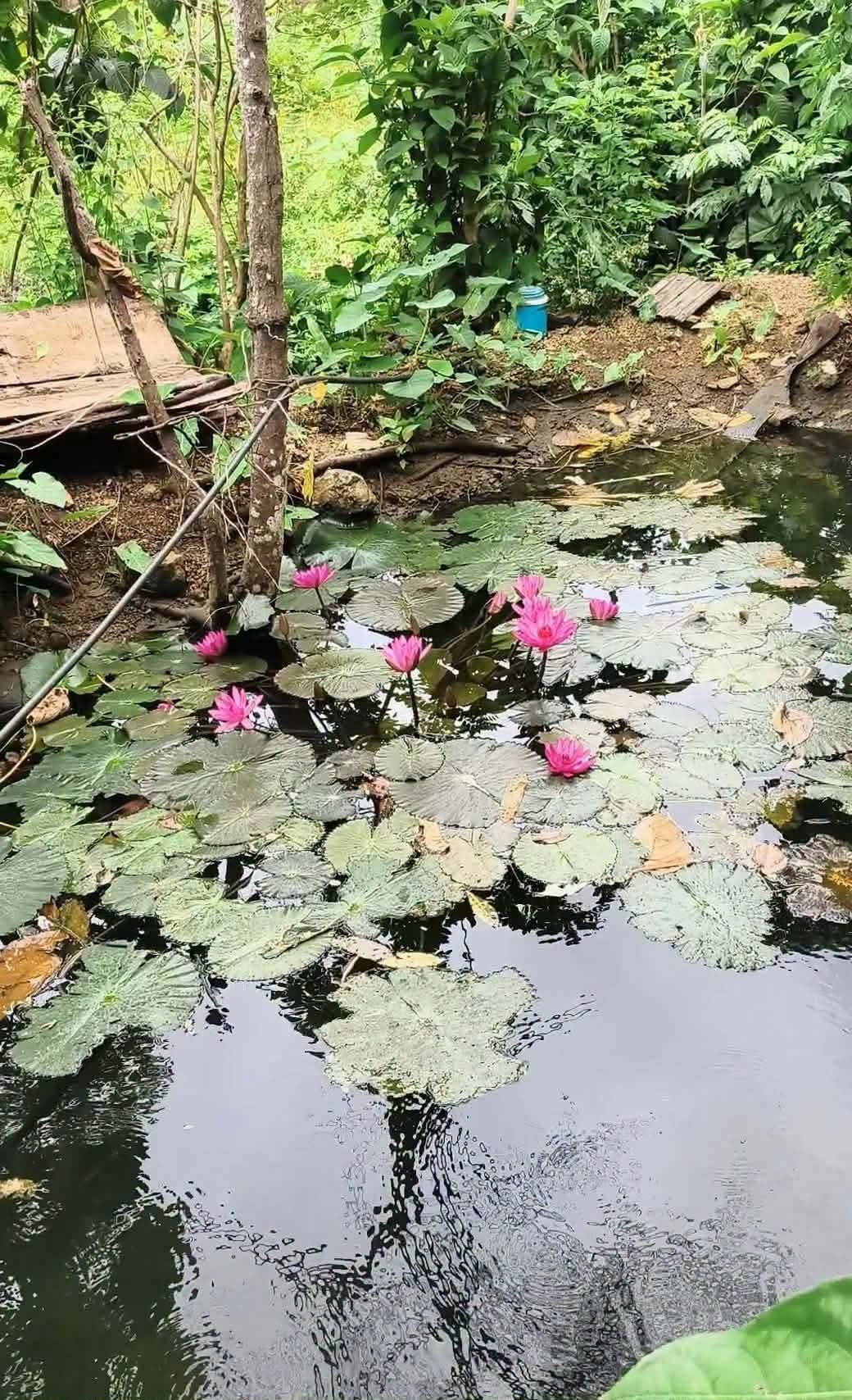
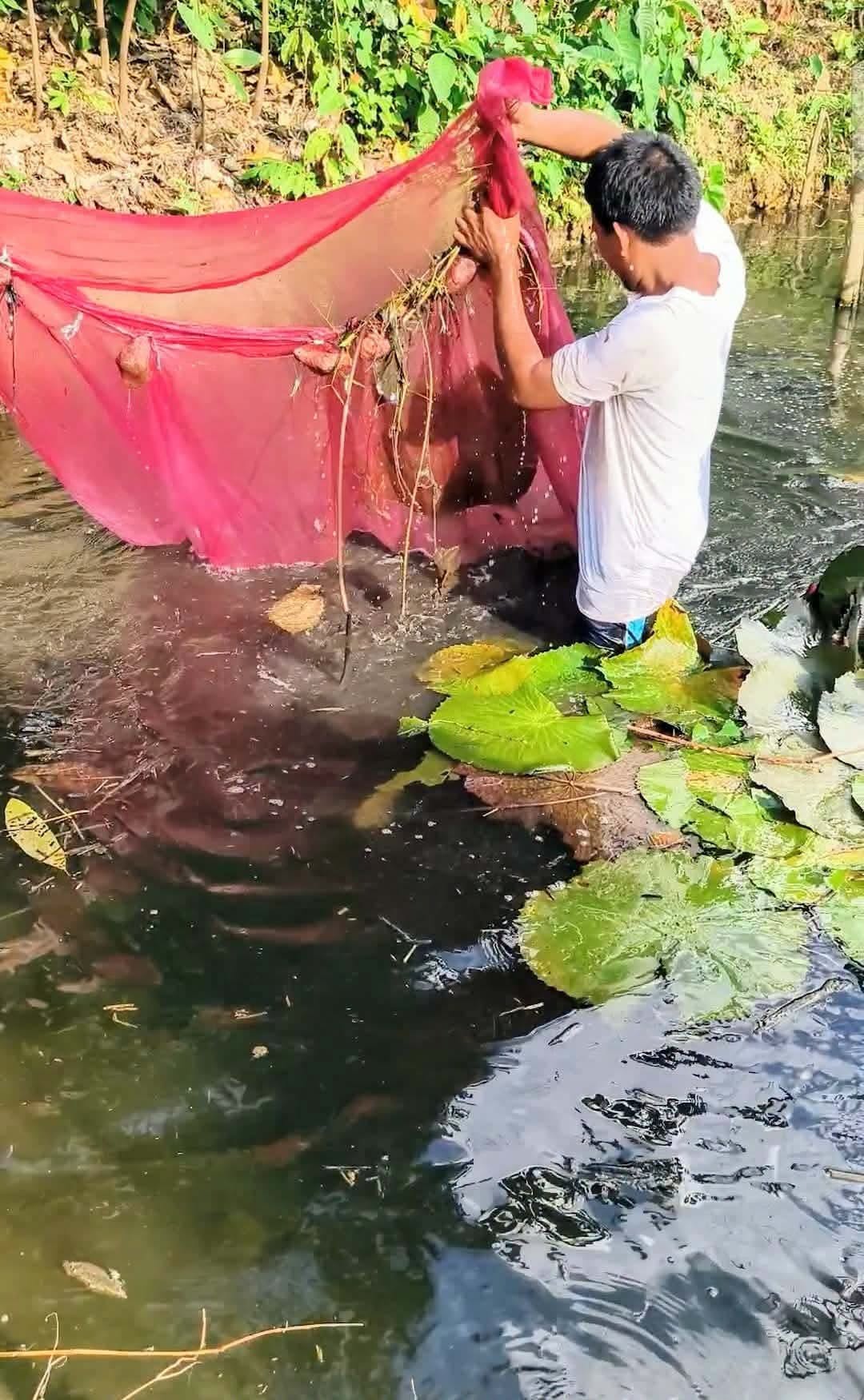
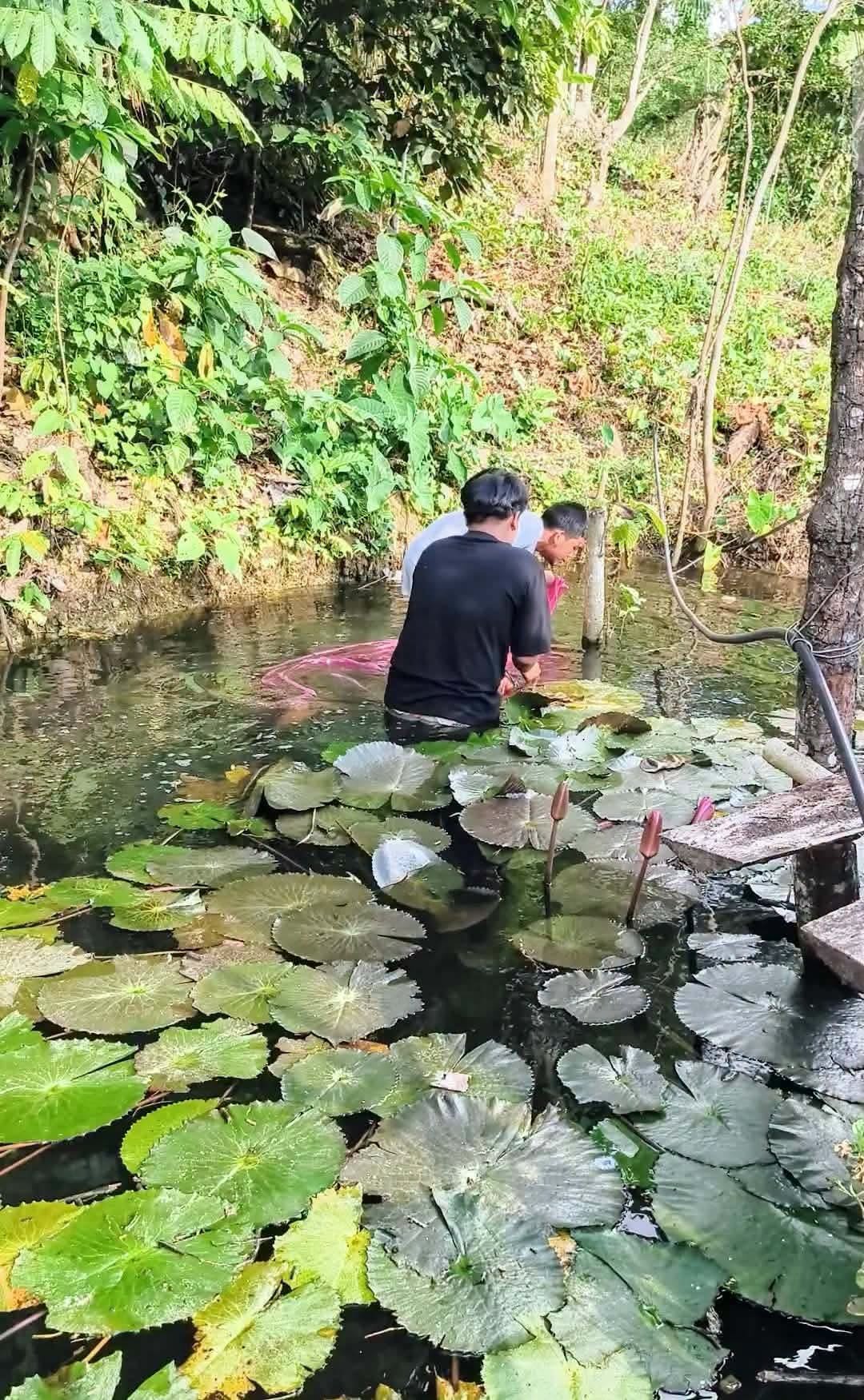
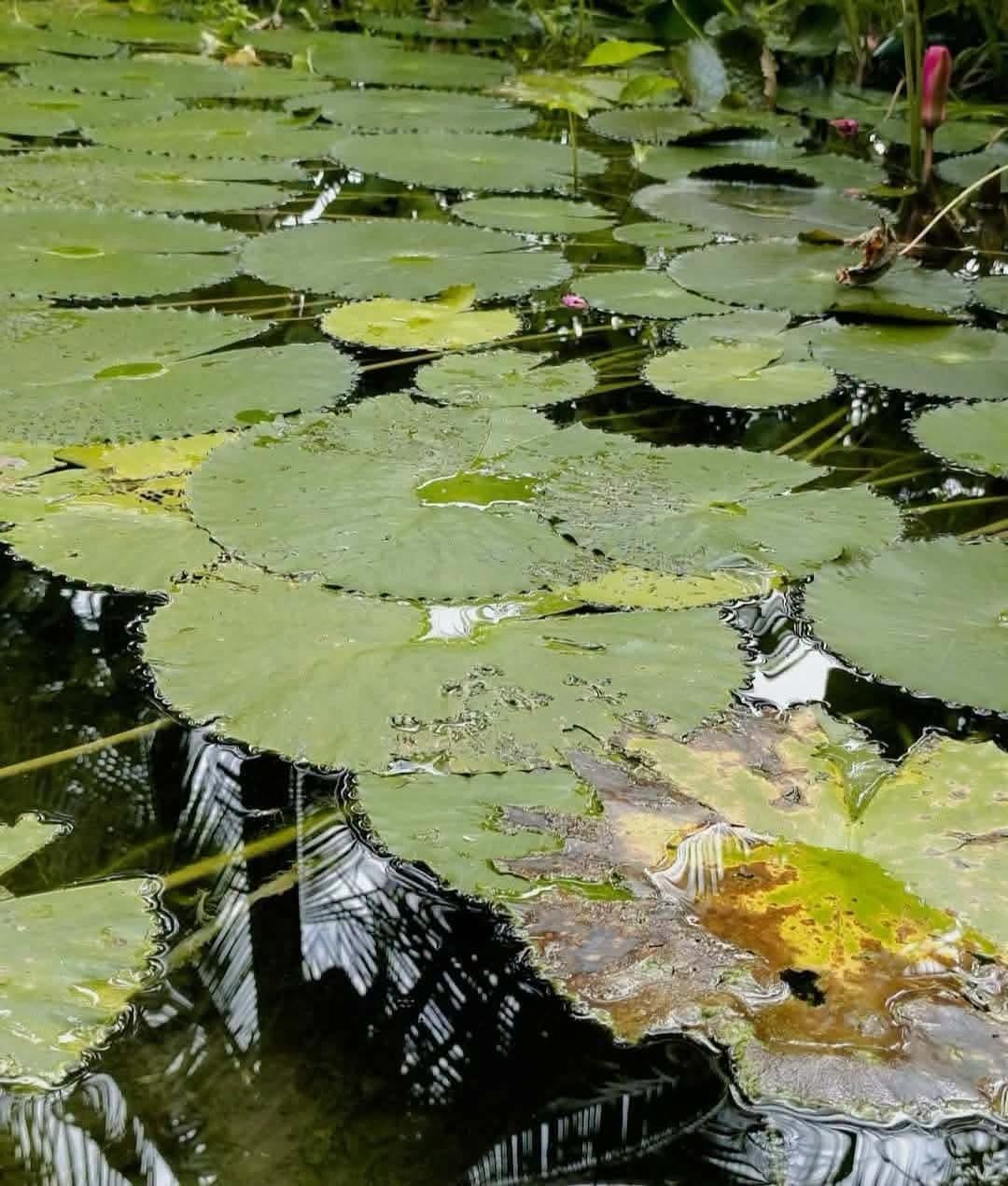
The university initially procured 10,000 fingerlings of Nile Tilapia in 2024 from the Department of Agriculture-Bayawan and also helped with the construction and management of earthen ponds for culturing the fingerlings.
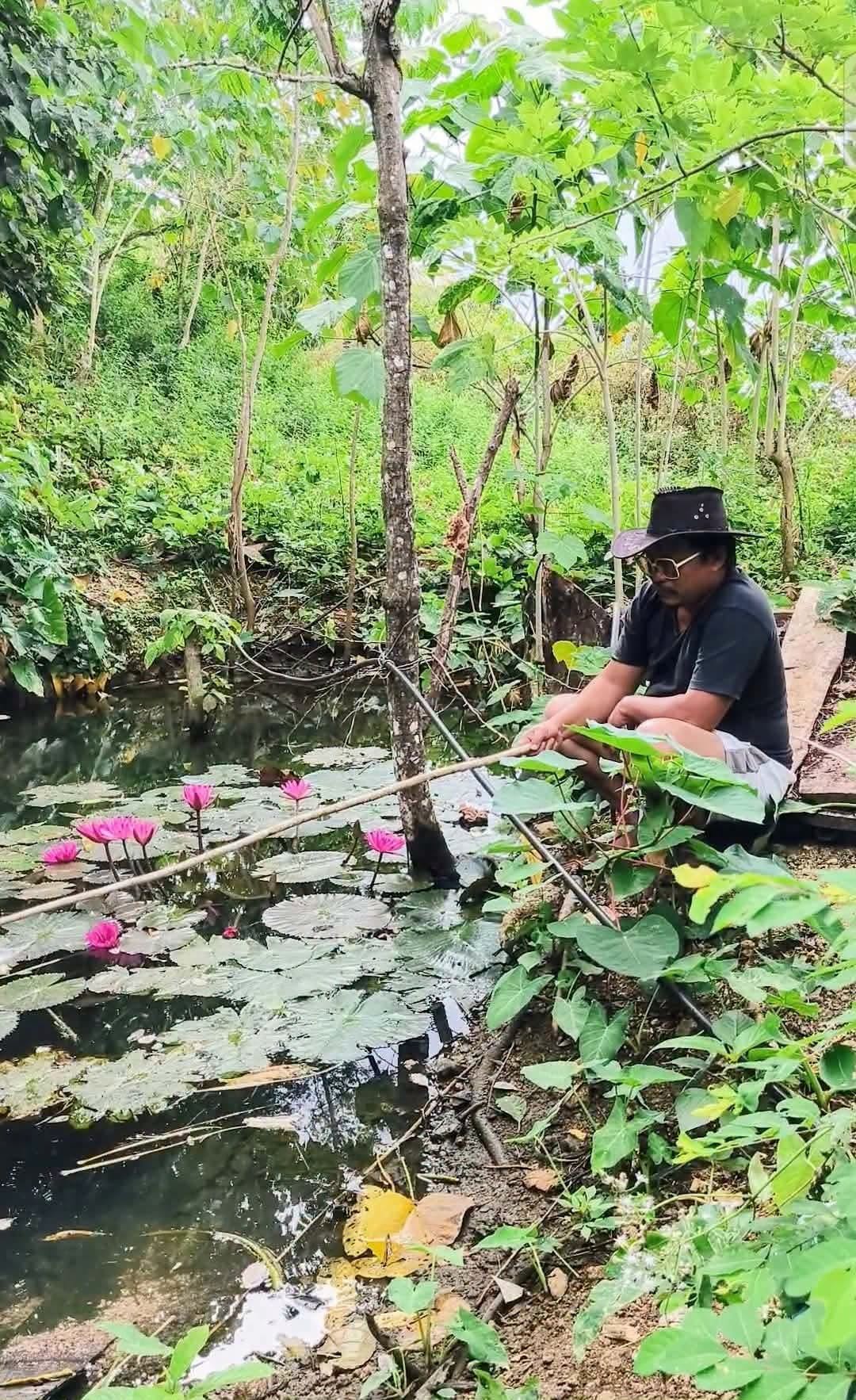
CPSU extended its inland fishery expertise to local farmers, who were chosen as partner-beneficiaries of the community development initiative and trained on stocking density, water parameter management, and feeding protocols using formulated feeds.
At present, at least fifty (50) households are participating in the program, with small farm-based models measuring an average of 2x5 meters, with an estimate of one hundred (100) fingerlings per square meter, generating approximately 1000 to 1500 tilapia per season.
These farmers were also trained in organic feed-making using market vegetable waste or farm-available rice or corn bran and water spinach (kangkong), promoting environmentally friendly practices using locally available resources. The university also helped them sustainably secure the needed fresh water for maintaining the ponds, encouraging productivity from the available freshwater sources, which is the result of the university, its partner agencies, and partner communities' continuous reforestation activities and watershed protection undertakings.
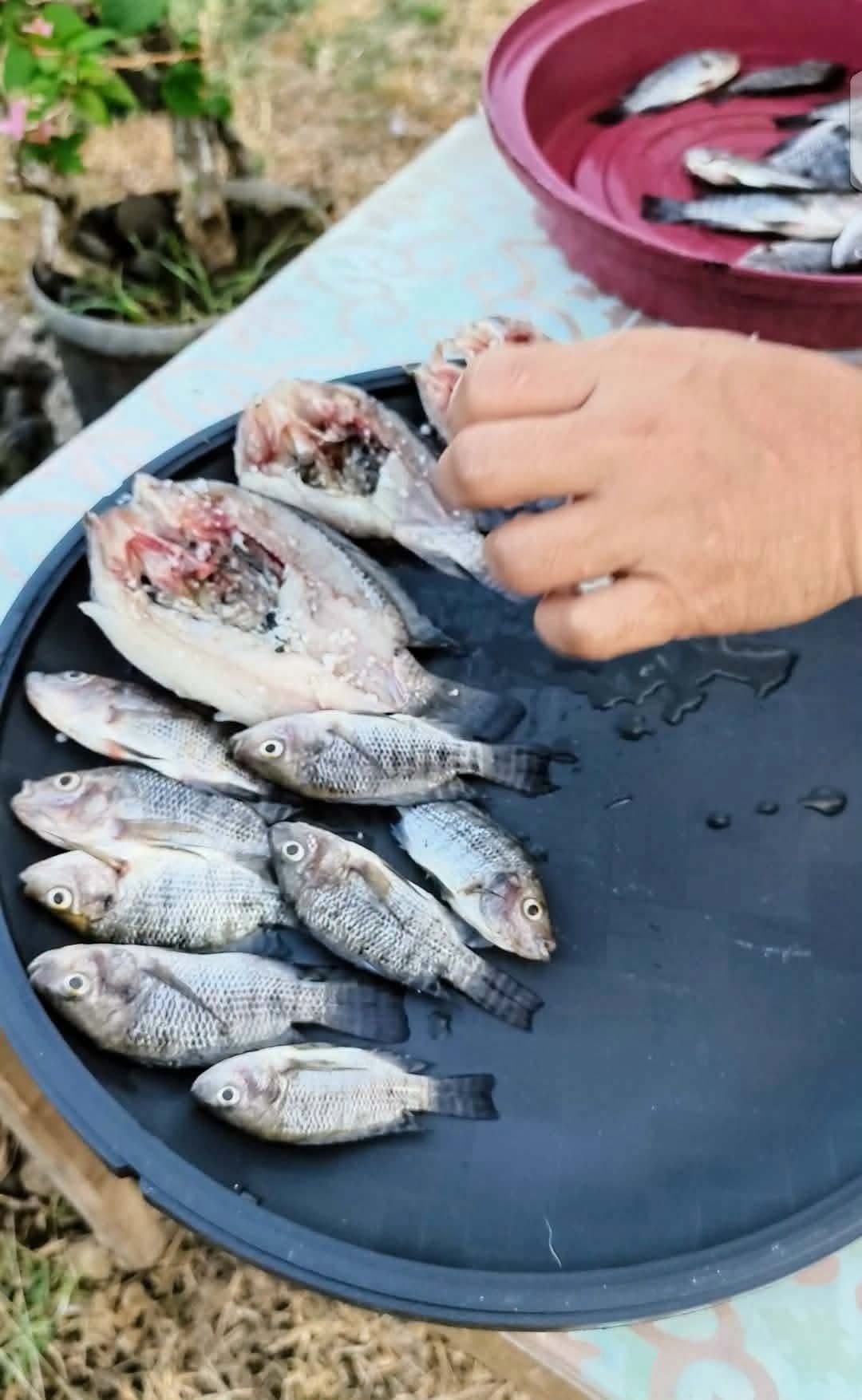
Not only does the harvest provide farming households with healthier food to combat hunger, which could help an average family spending PHP200.00 weekly for fish viands to save a total of PHP800.00 monthly, but the small farm-based earthen pond harvest also gives way to more livelihood opportunities that involve value-adding by sun-drying preservation and other fish-processing methods.
Through the project, CPSU has helped the local farming communities by extending its technology to introduce inland aquaculture—working closely with grassroots farmers in preparing the earthen pond culture system, teaching farmers integral pond maintenance concepts, training participants in resourceful feed-making, and guiding farmers in preserving their harvest to improve product marketability—all with the aim of developing local communities into more food-resilient and sustainable rural domains.
Photos by: Arnel Calago
#CPSU #cpsuwhereinnovationsempowerthefuture