Hanging Hope: A Cenphilian Story of Ecological Recovery
Aug 19, 2026 | News
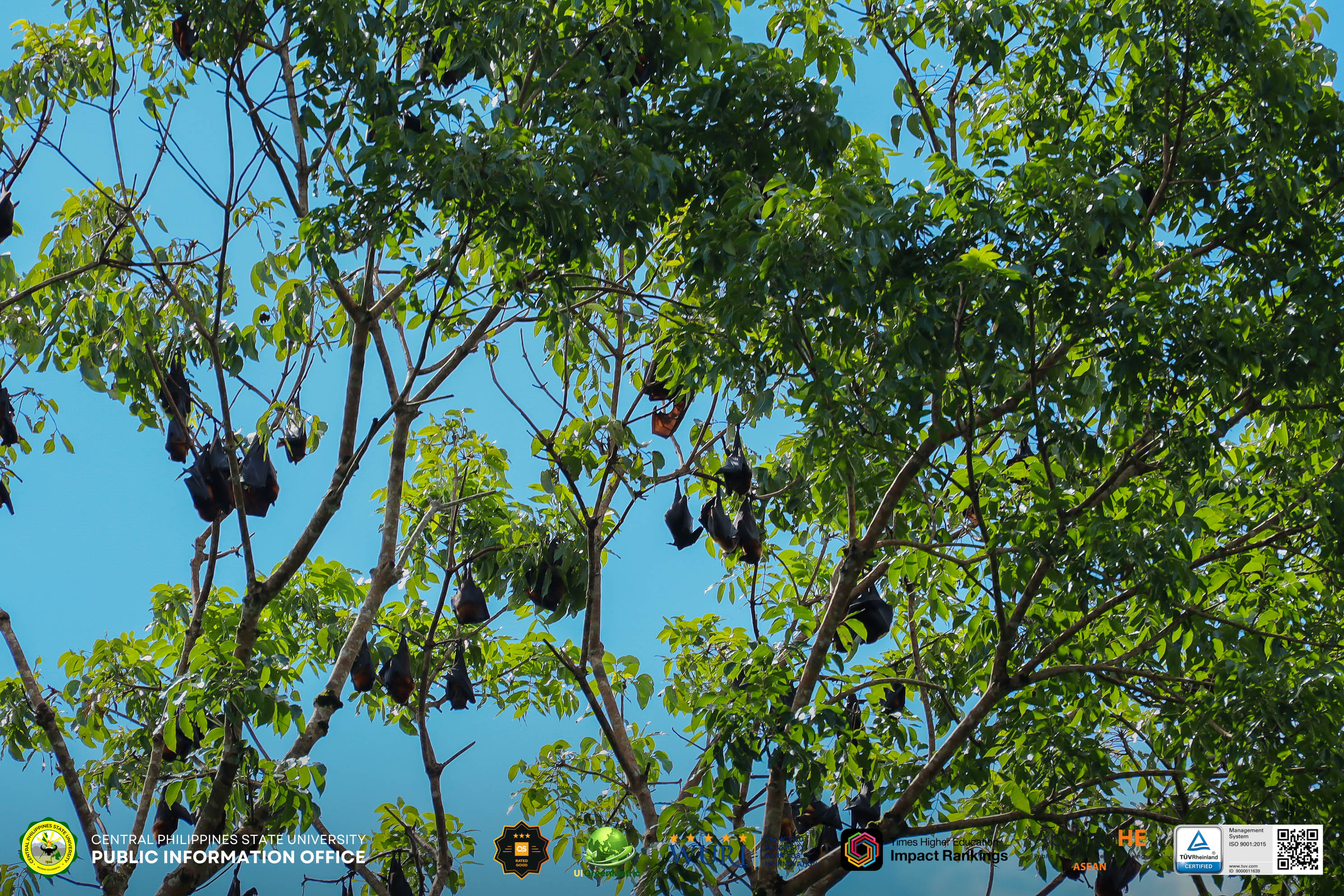
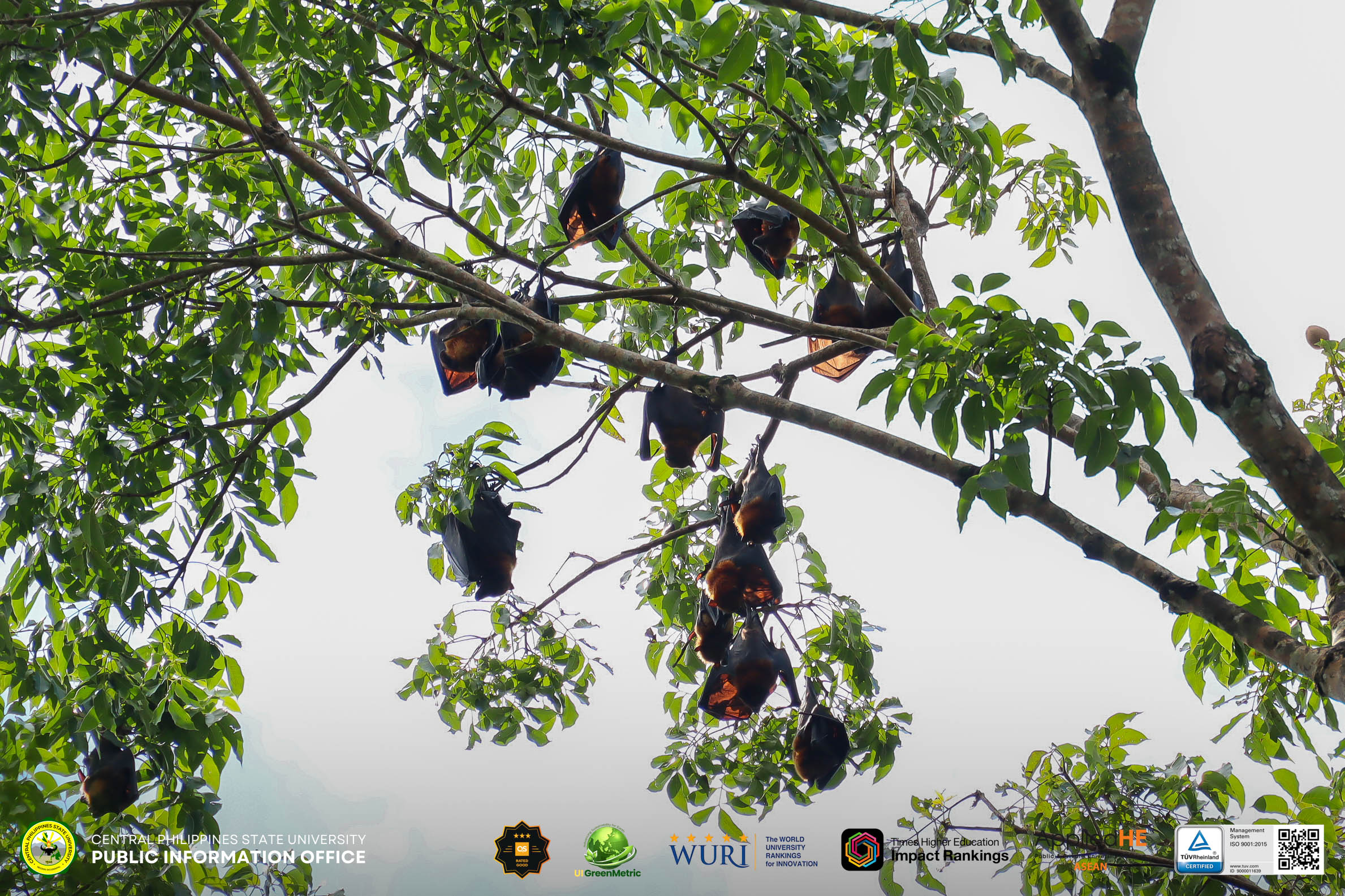
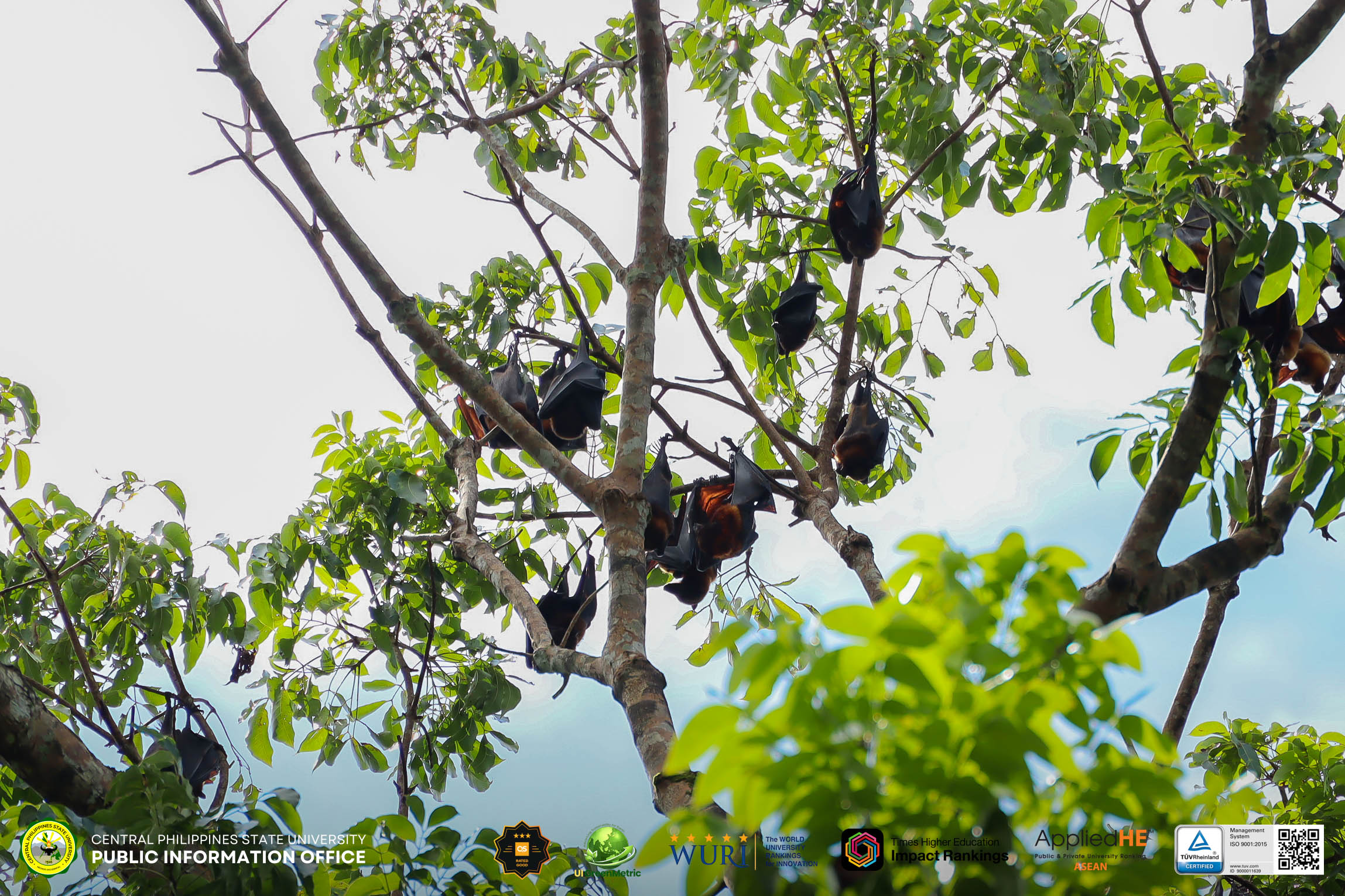
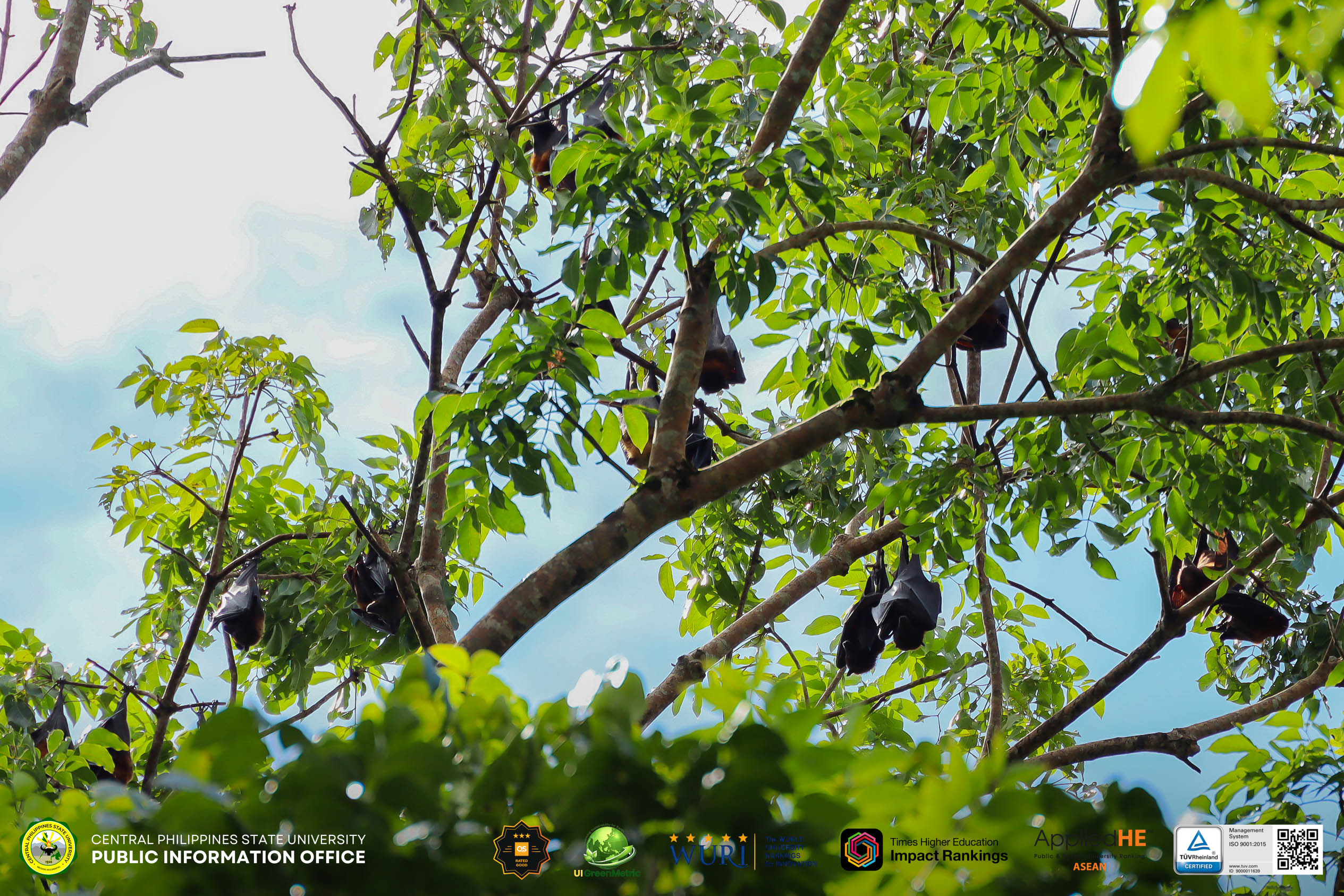
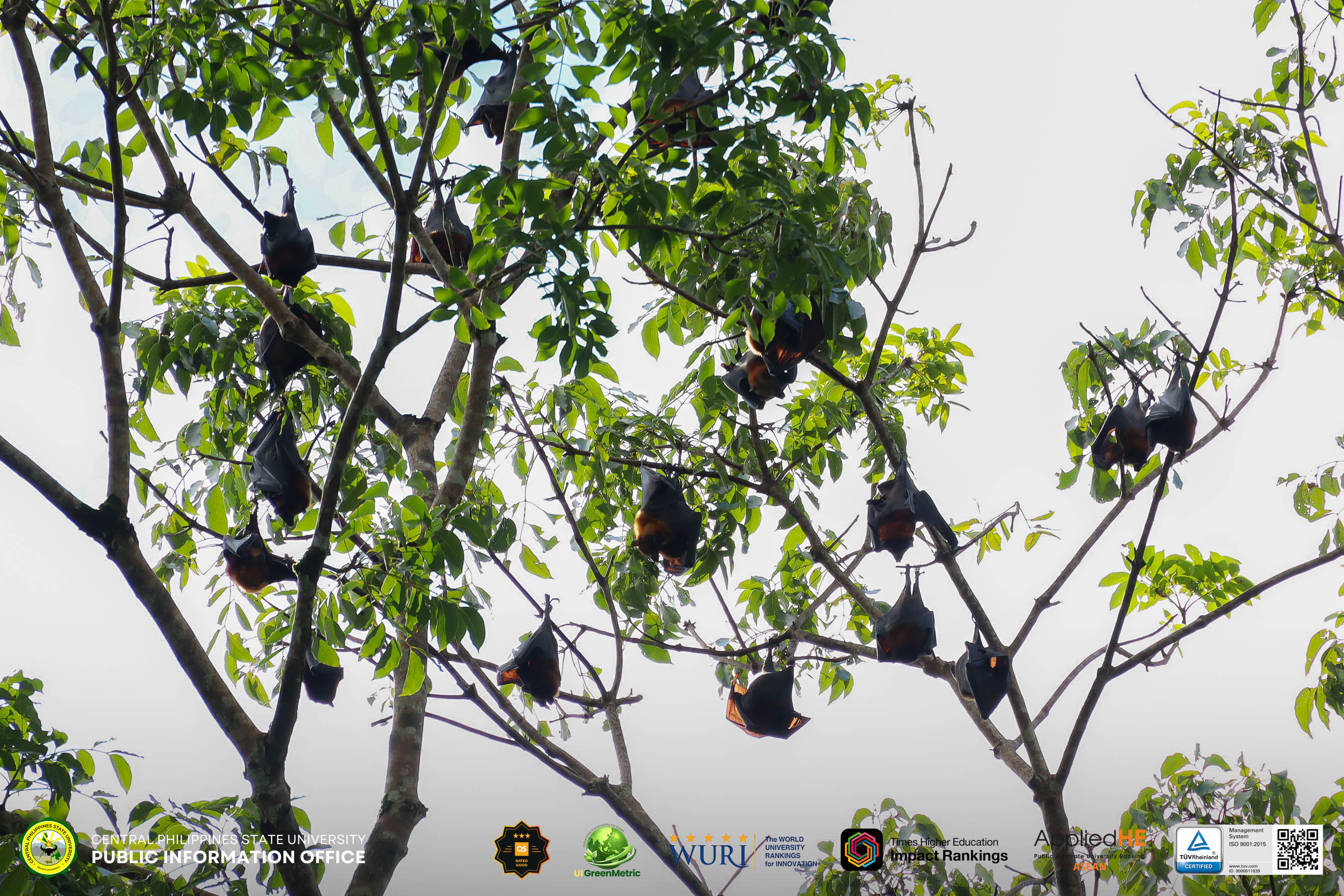
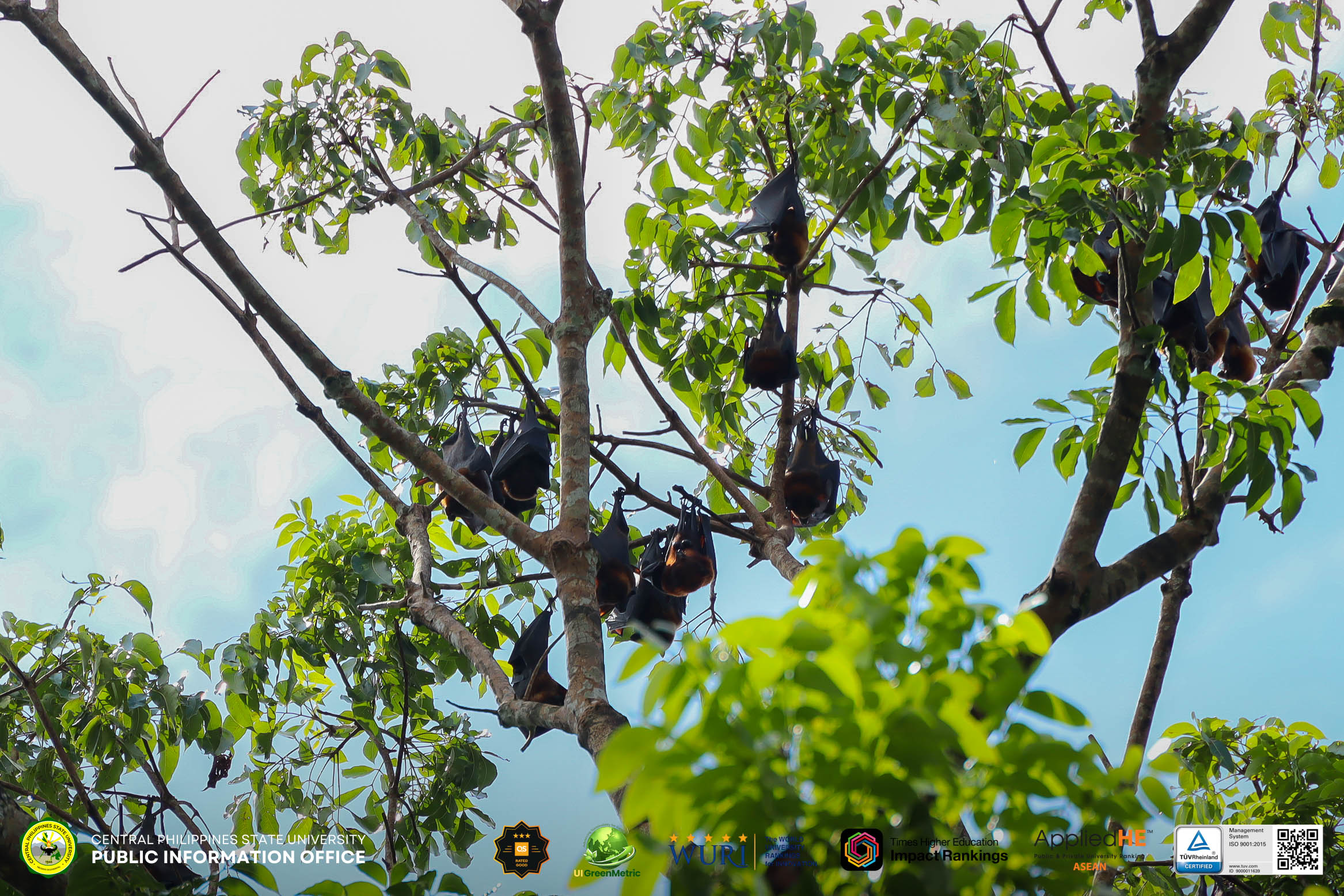
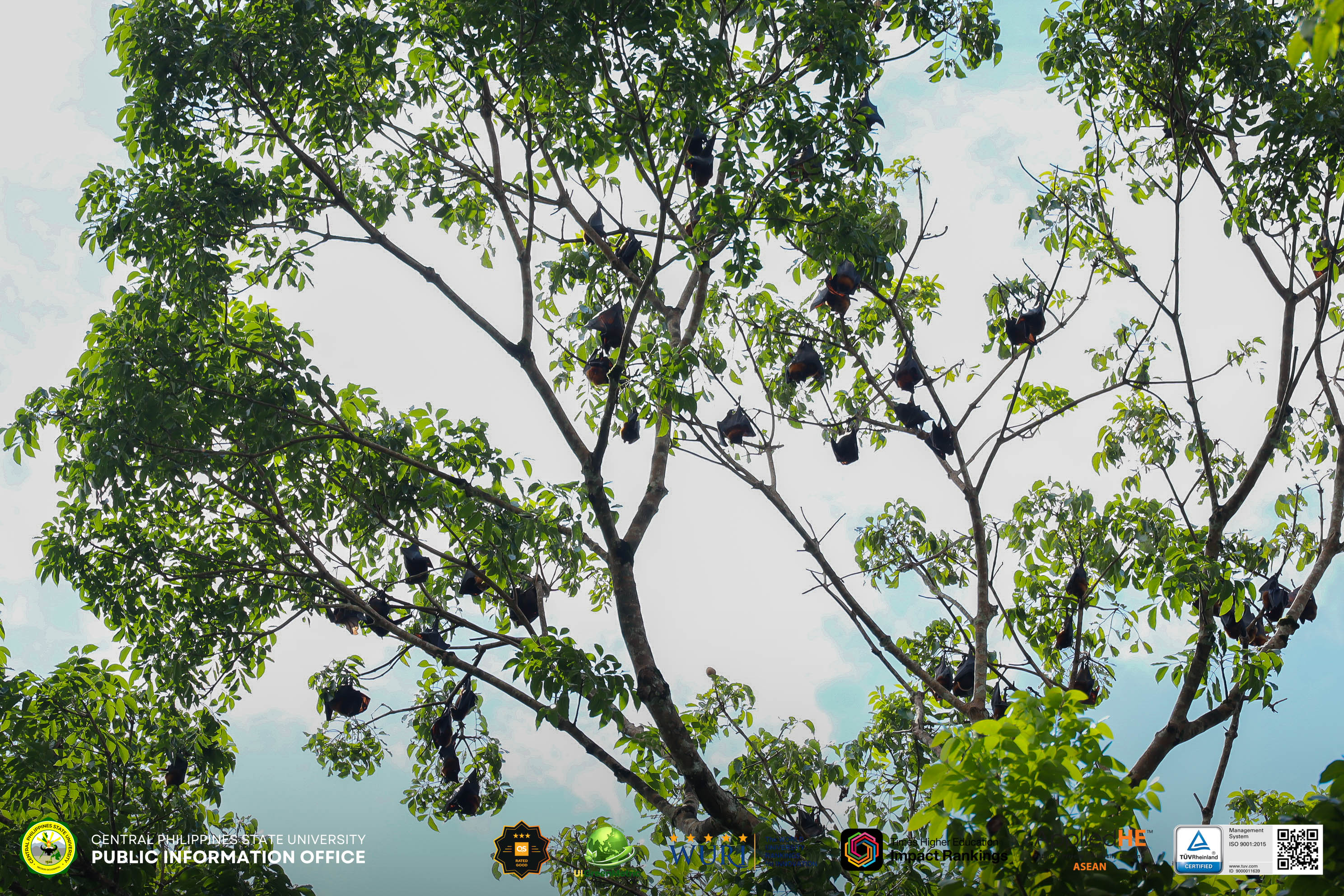
Against the cerulean backdrop of the sky, hanging upside down like parcels of black and gold, the Pteropus hypomelanus, or Island Flying Foxes, have become a familiar sight to students at Central Philippines State University (CPSU)-Main Campus.
While wildlife in some places has adapted to human infrastructure, with bats and birds occupying buildings and other man-made structures as their homes, the flying foxes at CPSU thrive among towering trees, dense foliage, and the abundance of home-grown fruit trees within the university’s reserve.
Living in camps, the fruit bats roost on tall trees within Local Conservation Area (LCA) 1, which covers the university’s main thoroughfare. Unlike the forested areas one might expect wildlife to inhabit, their presence along this highly accessible part of the campus offers a striking reminder that biodiversity can flourish even within spaces shared with people.
Just a year earlier, only around 80 Island Flying Foxes were observed in LCA 1. By February 2026, however, their population had increased to approximately 200—a growth of about 150 percent.
So, what changed? What catalyzed this remarkable increase?
Bats are considered keystone species because of their significant role in maintaining the balance and health of ecosystems. According to the Nature Index, in its article "Biodiversity Conservation of Fruit Bats in Island Ecosystems," bats are important because their “long-distance foraging and unique dietary preferences help maintain plant diversity, support forest regeneration and sustain agro-ecosystems.”
According to Animal Diversity Web, “Variable flying foxes feed primarily on fruit and nectar from wild and cultivated plants,” and they “eat about half of their own body weight daily.” Fruit bats contribute to the pollination of fruit tree flowers and the dispersal of seeds. Their droppings contain seeds from the fruits they consume, helping distribute, germinate, and propagate plants across the landscape.
At CPSU, their growing presence coincides with a landscape rich in fruit-bearing trees. The fruit trees documented within the university’s LCAs by the Natural Resources and Environmental Management Services include sugar apple (atis), avocado, starfruit (balimbing), batwan (binukaw), guava (bayabas), wild cherry (bignai), cacao, sweet tamarind (camatchile), sapodilla (chico), coconut, Java plum (duhat), soursop (guyabano), kamias (iba), sweet orange (kahil), star apple (kaimito), calamondin (kalamansi), langsat (lansones), lemon or yellow citrus, hog plum (libas), mango (mangga), jackfruit (nangka), pomelo, rambutan, tamarind (sambag), cotton fruit (santol), bell fruit (tambis), and eggfruit (tiesa).
The university’s conservation efforts extend beyond fruit trees. Among non-dipterocarp species, CPSU has conserved and protected 1,804 trees in LCA 1 alone and another 1,571 trees in LCA 2. In LCA 1, the university has also documented and protected 47 understory plant species.
These conservation efforts are complemented by continuous reforestation and greening initiatives. The Natural Resources and Environmental Management Services documented that from February to December 2025 alone, the university, together with its government and non-government partners, transplanted or distributed 6,072 seedlings, strategically planted across campus areas, watershed zones, Local Conservation Areas, barangays, puroks, and partner institutions.
Over the years, the entire Cenphilian community has rallied behind 1 Million Trees and Counting, an initiative launched in 2023 in partnership with the Negros Women for Tomorrow Foundation (NWTF). The program seeks to harness the strength and potential of local communities as partners in regreening forests and communities, while providing solar lanterns in exchange for their participation.
Ever since, CPSU, now through the initiatives of its Extension and Community Services Office and Gender and Development Office, continues to bring light and access to clean energy in the form of solar lamps and solar panels, and taps into the beneficiaries’ capacity to participate in the campaign by planting 300 fruit trees.
The growing population of fruit bats, therefore, may be more than a remarkable wildlife occurrence. As keystone species, their presence can serve as an ecological indicator and a visible manifestation of the conditions that allow biodiversity to thrive; for CPSU, the Island Flying Foxes may also represent the cumulative impact of its ongoing regreening, habitat conservation, and forest rehabilitation efforts.
Perhaps, then, the black-and-gold silhouettes hanging from CPSU’s trees are telling a larger story. Their return to—and increasing presence within—the university’s landscape may be a living testament to what sustained conservation can achieve when trees are planted, forests are restored, and habitats are protected. CPSU continues to hope that someday, more wildlife will find their way home.